Table of Contents
- Emergency Automotive Lockout Service Cost: What to Expect in 2026
- Why Lockout Service Costs Vary by Vehicle
- After-Hours Lockout Service Fees Explained
- Automotive Key Replacement Cost Factors
- Car Lockout Service Time Estimate: How Long You’ll Wait
- Hidden Fees and How to Avoid Them
- Insurance Coverage for Lockouts and DIY Risks
- Conclusion: Getting a Fair Price for Lockout Service
- Frequently Asked Questions
Last Updated: September 5, 2026
Emergency Automotive Lockout Service Cost: What to Expect in 2026
Industry data from the State of the Locksmith Industry 2026 report shows the average automotive lockout ticket price reached between $228 and $235 by late 2026, an 8.1% year-on-year rise driven largely by the cost of advanced diagnostic tooling. For vehicle owners in the Moreton Bay region, understanding the emergency automotive lockout service cost before you call is the difference between a fair transaction and a stressful surprise. At Morayfield Locksmiths, we have tracked these pricing shifts closely since 1994 to help our community budget accurately for roadside emergencies. This guide breaks down exactly what drives the price, which fees are legitimate, and how to avoid overpaying when you are locked out.
A standard emergency lockout service typically ranges from $150 to $350 depending on your vehicle type and location, according to the Automotive Locksmith Services Market Report. The wide spread reflects real differences in labour, tooling, and the security complexity of modern cars rather than arbitrary pricing.
Why Lockout Service Costs Vary by Vehicle
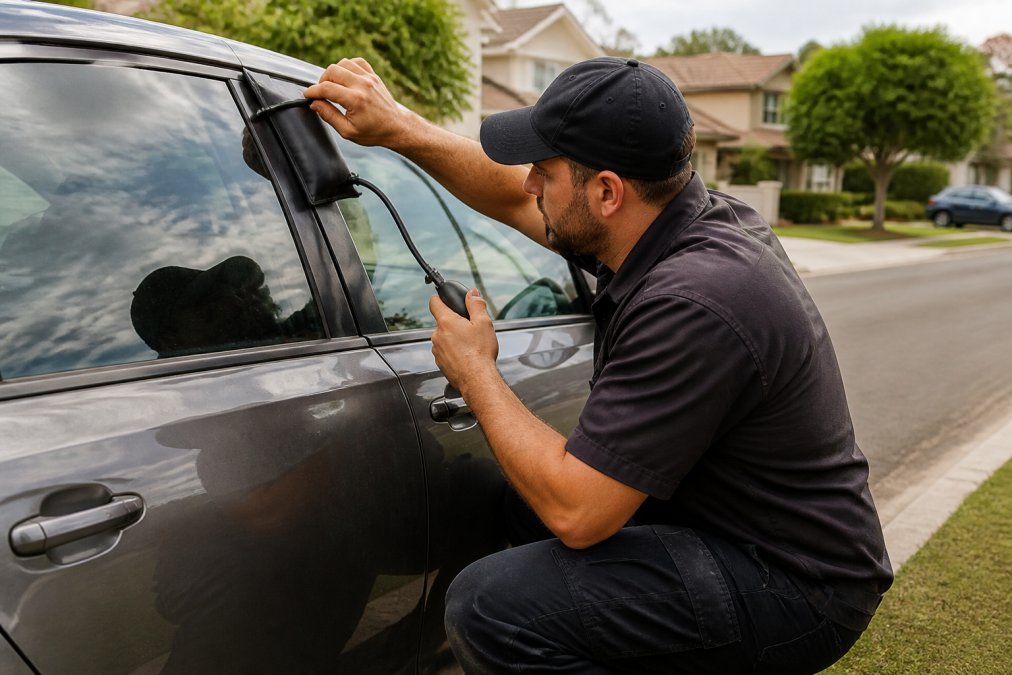
The single biggest factor in your final bill is the vehicle itself. A 1990s sedan with a simple mechanical lock is far easier to open than a 2025 luxury SUV fitted with high-security door handles and electronic locking systems. Modern vehicles often require specialised air wedges, long-reach tools, and careful technique to avoid triggering the alarm or damaging the paintwork.
To understand the price range, it helps to categorise vehicles by their security tier. This is the unique angle most pricing guides miss, yet it is the most reliable predictor of your final cost.
Tier 1: Mechanical Keys (Pre-2000s)
Vehicles from this era rely on a purely mechanical lock cylinder. A technician can often open them with a simple wedge and a long-reach tool, or by picking the lock. The labour is straightforward, and the risk of electronic damage is minimal. Expect the lower end of the price spectrum for these vehicles.
Tier 2: Basic Transponder Keys (2000s-2010s)
These vehicles have an immobiliser chip in the key, but the door lock mechanism is still mechanically actuated. The unlock process is similar to Tier 1, but the technician must be careful not to damage wiring connected to the central locking system. The cost rises because the technician’s tooling must be compatible with the door’s internal electronics.
Tier 3: Proximity Fobs and Keyless Entry (2015-Present)
This is where costs escalate significantly. Vehicles with proximity fobs often have flush door handles that retract electronically, and some models have no visible mechanical keyhole at all. A technician cannot simply wedge the door; they must use specialised tools to gently pull the handle outward while simultaneously using an air wedge to create a gap for a probe to press the interior unlock button. This requires two hands, precise coordination, and a deep understanding of the specific vehicle’s electronics to avoid triggering the alarm system. The Automotive Locksmith Services Market Report notes that emergency rates for these premium vehicles can reach the upper threshold of $350 or more.
Tier 4: High-Security and Luxury Systems (Tesla, BMW, Mercedes-Benz, etc.)
These vehicles represent the top of the pricing scale. They often feature frameless windows, acoustic glass, and sophisticated alarm systems that are sensitive to any pressure change. A standard air wedge can crack the glass or damage the weather seal. Technicians must use specialised, multi-stage air wedges that inflate in stages to avoid pressure spikes. Furthermore, some models require the technician to access the OBD-II port under the bonnet to initiate an unlock signal, a process that demands proprietary diagnostic software. The lockout service cost for these vehicles frequently exceeds $350, reflecting the advanced tooling and high skill level required.
The practical takeaway: when you call for a quote, do not just say “I have a modern car.” State the exact make, model, and year. A reputable locksmith will immediately know the security tier and can give you a more accurate estimate over the phone, reducing the risk of a surprise on arrival.
Never let an unqualified operator use a coat hanger or a single-stage wedge on a Tier 3 or Tier 4 vehicle. The risk of cracking acoustic glass, damaging the door seal, or triggering a costly alarm system reset is high. The repair bill for a shattered window or a damaged door module will far exceed the original lockout service cost. Always confirm the technician carries vehicle-specific tools before they begin.
After-Hours Lockout Service Fees Explained
Timing changes the price more than almost any other variable. Research from Locksmith Industry Phone Statistics found that 67% of locksmith service calls occur after standard business hours, meaning the majority of lockouts happen when most people expect a surcharge. After-hours fees reflect the genuine cost of maintaining 24-hour availability, including technician standby time and rapid response capability.
Emergency calls between roughly 6 pm and 7 am typically attract an after-hours surcharge on top of the base service fee. Specialised midnight lockouts and other emergency callouts commonly cost between $150 and $350 per service call, as documented in Gandi Locksmithing pricing analysis. The practical takeaway is simple: if your vehicle is secure and you can safely wait until morning, you will almost always pay less. If you are stranded, the after-hours rate is the price of immediate mobility.
Automotive Key Replacement Cost Factors
Being locked out is often the first symptom of a larger problem: a lost or broken key. Understanding automotive key replacement cost factors helps you anticipate the full expense before you commit to a service visit. The type of key is the dominant variable. A basic metal key that requires only cutting costs a fraction of a modern transponder key or smart fob.
The State of the Locksmith Industry 2026 report attributes much of the industry-wide price increase to tooling-cost passthrough, and key programming sits at the centre of that trend. Task-specific pricing for 2026 shows transponder key programming generally runs between $100 and $250, while ignition repair can range from $150 to $300, according to WFX1978 emergency locksmith pricing guide. The key programming equipment required to code a new transponder to your vehicle’s immobiliser system is expensive, and that cost flows through to the consumer. Always ask whether the quoted price includes programming and cutting, or whether those are billed separately.
| Task | Typical 2026 Range | Key Cost Driver |
|---|---|---|
| Standard car unlock | $75 – $150 | Vehicle age and lock type |
| Transponder key programming | $100 – $250 | Electronic coding equipment |
| Ignition repair | $150 – $300 | Parts and labour complexity |
| Luxury vehicle lockout | $200 – $350+ | High-security systems |
Car Lockout Service Time Estimate: How Long You’ll Wait
Response time is a legitimate concern, and it directly affects what you pay. A genuine emergency automotive lockout service cost includes rapid dispatch, but not every provider delivers on that promise. A reliable mobile locksmith should provide a clear car lockout service time estimate when you call, typically ranging from 20 to 45 minutes depending on your location and traffic conditions.
Professional providers maintain a fleet of fully stocked service vehicles so they can complete most lockouts on-site in under 15 minutes once they arrive. The total wait is the sum of dispatch time plus the service itself. Before you book, ask for a specific arrival window and confirm whether the technician is already mobile in your area. A provider quoting vague timeframes may be dispatching from a distant location, which inflates both your wait and, often, your final bill.
Locksmith vs. Roadside Assistance: A Time and Cost Trade-Off
This is the critical decision most guides ignore. Your choice between a dedicated automotive locksmith and your roadside assistance provider (e.g., NRMA, RACV, RACQ) hinges on two variables: time and coverage.
Roadside Assistance (If Covered): If your policy includes lockout assistance, this is almost always the cheapest option, often free or a nominal fee. However, the trade-off is time. Roadside assistance providers typically dispatch a general roadside technician, not a dedicated automotive locksmith. Their arrival time can be 60 to 90 minutes, especially in peak periods. Furthermore, if your vehicle has a Tier 3 or Tier 4 security system, a general technician may not have the specialised tools to open it without damage. In that case, they will call a specialist locksmith anyway, adding another hour to your wait. The Locksmith Industry Phone Statistics found that 67% of locksmith service calls occur after standard business hours, which is precisely when roadside assistance wait times are longest.
Dedicated Automotive Locksmith: A specialist will arrive faster (20-45 minutes) and is equipped for all security tiers. The cost is higher, but you are paying for speed and guaranteed capability. If you are stranded in an unsafe location, or if you drive a modern vehicle with advanced security, the extra cost is often justified.
A Practical Decision Framework
- Assess Safety: If you are in a high-traffic area or an unsafe neighbourhood, do not wait. Call a dedicated locksmith immediately.
- Check Your Policy: If you have roadside assistance, call them first to confirm lockout coverage and get an estimated arrival time. If they quote over 45 minutes, ask if they will cover the cost of a third-party locksmith. Some providers do.
- Know Your Vehicle Tier: If you drive a Tier 3 or Tier 4 vehicle, skip the general roadside technician. Call a locksmith who advertises “modern vehicle” or “keyless entry” expertise.
- Ask the Right Questions: When you call a locksmith, ask: “What is your current location?” and “Do you have the tools for a [Year] [Make] [Model]?” A straight answer on both is a good sign.
When you call for emergency assistance, ask two questions immediately: what is your current location relative to mine, and what is your exact arrival time? A reputable provider gives you a straight answer on both. Vague responses suggest you may be waiting far longer than the quoted car lockout service time estimate suggests. If you are calling roadside assistance, ask specifically if the dispatched technician is equipped for keyless entry systems; if not, request they escalate to a specialist locksmith directly to avoid a double-dispatch delay.
Hidden Fees and How to Avoid Them
The locksmith industry has a reputation problem, and it is largely earned by a minority of operators who quote one price over the phone and charge another on arrival. Missed emergency calls cost providers an estimated $185 or more per incident, according to Locksmith Industry Phone Statistics, which pushes some operators to quote low just to secure the job. Payment and invoicing transparency is the single most effective defence against this practice.
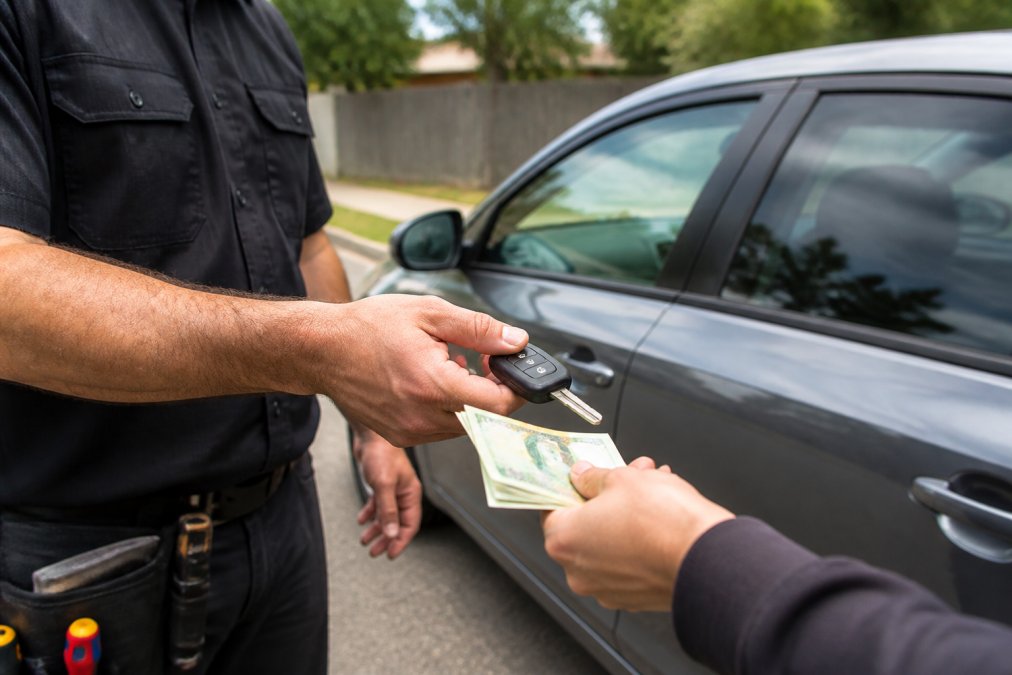
Always request a total price before the technician begins work, and ask what the quote includes. Legitimate line items are the service call-out fee, the unlock itself, and any after-hours surcharge. Be wary of separate charges for “emergency response”, “mobilisation”, or “tool usage”, which are often invented to pad the bill. Confirm the vehicle is unlocked before payment, and request an itemised invoice. A trustworthy provider is happy to explain every component of the emergency automotive lockout service cost in writing.
Insurance Coverage for Lockouts and DIY Risks
Many drivers carry roadside assistance through their insurer or motoring organisation without realising lockout coverage is often included. Checking your policy before paying out of pocket can save you the full service fee. Coverage varies significantly between providers, so read the product disclosure statement or call your insurer to confirm whether lockout assistance is part of your roadside package and whether there is a per-call limit.
The DIY route is tempting, but the risk assessment rarely favours it. While a DIY attempt may look cheaper initially, professional services are more cost-effective long-term because they prevent expensive damage to door electronics and interior components. A bent door frame, broken window regulator, or damaged paint from a DIY tool costs hundreds more to repair than the original lockout service cost. Professional technicians also carry the security credentials and insurance to work on modern vehicles without causing collateral damage.
Conclusion: Getting a Fair Price for Lockout Service
A fair emergency automotive lockout service cost reflects the technician’s expertise, the vehicle’s security complexity, and the genuine costs of 24-hour availability. Understanding the factors that drive pricing, from transponder key programming to after-hours surcharges, puts you in control of the conversation rather than at the mercy of an inflated quote. Always confirm the total price upfront, verify what it includes, and check whether your insurance already covers the call.
Morayfield Locksmiths has served the Moreton Bay region since 1994 with honest, upfront pricing and rapid response times for homes, cars, and businesses. Our mobile technicians arrive equipped for modern vehicle security systems, and we provide clear car lockout service time estimates before we dispatch. When you need a reliable emergency lockout service, call Morayfield Locksmiths and get a fair price from a trusted local team.
Frequently Asked Questions
How much should it cost to unlock a locked car?
The emergency automotive lockout service cost in 2026 typically lands between $117 and $259 for a standard car, with industry averages sitting around $228 to $235. Your exact quote depends on your vehicle’s make and model, the time of day, and your location. Luxury or high-security vehicles often cost more because they require specialised tools and training. Always ask for a firm, upfront quote before the technician starts work, and confirm there are no additional call-out or travel fees.
Is there a difference in cost for after-hours lockout services?
Yes, after-hours lockout service fees are usually higher. Industry data shows 67% of lockout calls happen outside standard business hours, and providers commonly add a surcharge for these. Emergency calls between 6 pm and 8 am, or on weekends and public holidays, can push the total towards the $150 to $350 range. The higher fee reflects the cost of keeping a technician on standby and the reduced number of jobs available during those hours.
Does my insurance cover emergency automotive lockout services?
Many comprehensive car insurance policies include roadside assistance, which can cover lockout service costs, but it is not automatic. Check your Product Disclosure Statement or call your insurer to confirm. If you have roadside assistance as an add-on, it may cover the call-out fee but not the labour for key cutting or programming. If you don’t have cover, a professional locksmith is still often cheaper than a dealership and faster than waiting for a tow.
How can I avoid hidden fees when calling an emergency locksmith?
Ask three questions before the technician arrives: the total price including GST, whether the quoted price covers the call-out fee and labour, and if there are any after-hours surcharges. Confirm the payment methods accepted and ask for an itemised invoice. Be wary of quotes that seem unusually low, as they may not include travel time or the specific work your vehicle requires. A reputable provider will give you a clear price upfront and stick to it.