Last Updated: November 4, 2026
Quick Summary
Wireless security systems are worth switching to for many households, especially renters, older homes where drilling is difficult, and anyone wanting a system that can be moved or expanded later. The decision depends on installation hassle, cost, and how much flexibility you need compared with the tamper resistance of a hardwired setup.
- Wireless units skip the cable-running and wall-patching work that wired systems require.
- Wireless units can often be cheaper to install than traditional wired systems.
- Eufy stores footage locally through its HomeBase unit, avoiding ongoing cloud subscription costs.
- Hardwired systems are often considered a sound choice for large homes because they are harder to tamper with.
- Test wireless systems regularly and plan for outages, since they depend on batteries and internet connections.
Table of Contents
- Why Homeowners Are Moving Away From Wired Systems
- The Best Alternatives to Wired Security Systems
- Wireless Security System Installation Cost in Australia
- DIY vs Professional Security System Installation
- Smart Home Security Integration Tips and Reliability Risks
- Choosing the Right Setup for Your Property
- Frequently Asked Questions
Wireless security systems are no longer a compromise. Homeowners across Caboolture and the wider Moreton Bay region are switching from wired setups to wire-free alternatives, and the reasons are practical rather than fashionable. The question most homeowners ask is simple: are these systems actually worth the change? The short answer is yes for many households, but the details decide whether the switch pays off.
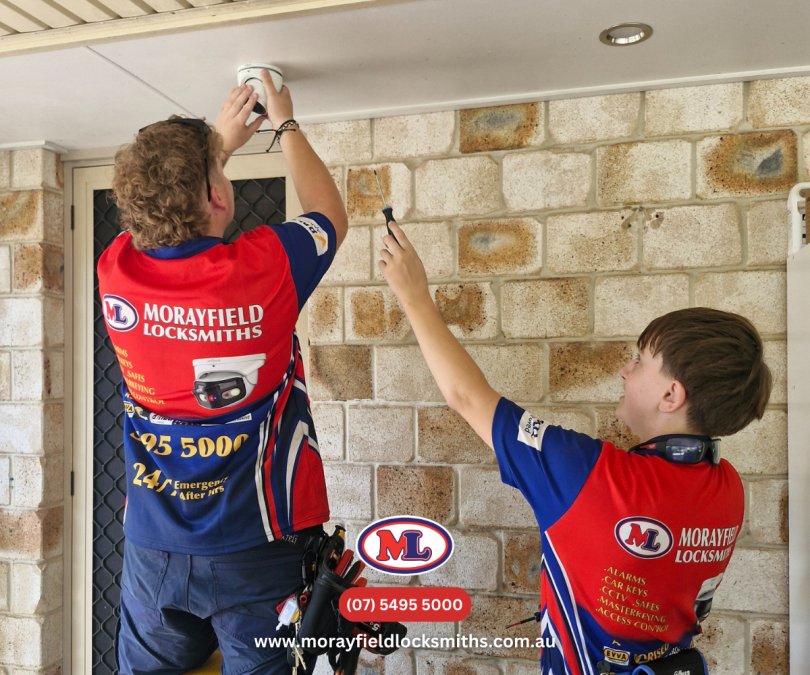
Wireless security systems are alarm and camera setups that communicate through radio signals and battery power instead of cables run through walls. They suit renters, older homes where drilling is difficult, and anyone wanting a system that can be moved or expanded later. Wireless systems are often considered an alternative to wired setups because they can offer simpler installation for renters or those unable to run cables behind walls. Professional smart security camera installation remains a viable option for homeowners who prefer to avoid the technical complexities of configuring wireless networks and sensor placement themselves.
Why Homeowners Are Moving Away From Wired Systems
Wired systems still have strengths, but the installation burden is the main reason people look elsewhere. Running cable through finished walls means patching plaster, hiring an electrician, and accepting a permanent layout. Wireless units skip most of that work. If you are wondering whether the same switch works for locks, read whether smart locks can be added to existing doors and see how practical a retrofit is.
Wireless units can often be cheaper to install than traditional wired systems. Wired systems are not obsolete, though. Hardwired systems are often considered a sound choice for large homes because they are harder to tamper with. Choosing between them comes down to the size and layout of your property.
The Best Alternatives to Wired Security Systems
Three main categories of wireless alternatives dominate the market, and each suits a different kind of household.
SimpliSafe: Modular DIY Kits Without Long-Term Contracts
SimpliSafe is built around a modular, do-it-yourself approach. Its wireless sensors install without drilling, and cellular backup keeps the system connected during internet outages. Starter kit pricing varies, so check current Australian listings directly with the supplier.
Eufy Security: Local Storage Without Monthly Cloud Fees
Eufy focuses on wire-free cameras and sensors that store footage locally through its HomeBase unit, which avoids ongoing cloud subscription costs. Some camera models need manual battery charging, which is worth factoring into your routine.
Ring Alarm, Arlo and Abode: Smart Home and Camera-Led Options
Ring Alarm and Arlo are other wire-free options to look into, and Abode is another system to research. Check the features and subscription requirements of each against current listings before you decide. Pricing for each should be checked against current Australian listings before you buy.
The three main wireless alternatives differ mainly in their approach to installation, storage and subscriptions.
| Option | Best for | Key difference |
|---|---|---|
| SimpliSafe | DIY kits | Modular sensors install without drilling |
| Eufy Security | Avoiding cloud fees | Footage stored locally via HomeBase |
| Ring Alarm, Arlo, Abode | Camera-led or smart home setups | Check features and subscriptions before buying |
Wireless Security System Installation Cost in Australia
Installation cost depends on how many sensors and cameras you need, whether you install yourself, and the layout of your property. Because prices change and vary by supplier, pricing depends on the number of sensors and cameras, the property layout and any subscriptions. Current prices and quotes are available from Morayfield Locksmiths directly through its website. Request itemised quotes that list hardware, installation, and ongoing monitoring separately so you can compare like for like.
DIY vs Professional Security System Installation
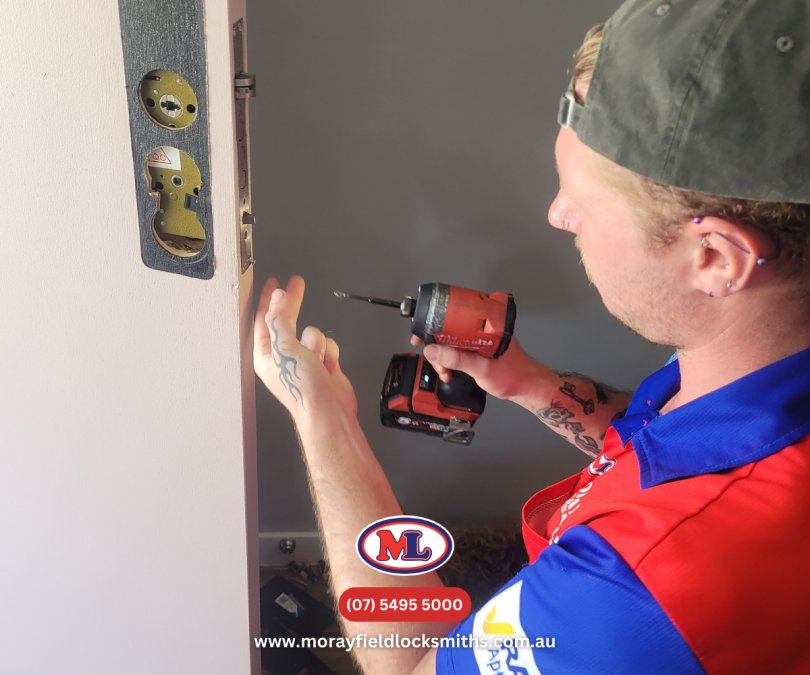
Do-it-yourself installation suits simple layouts and tech-comfortable households. Wireless sensors can usually be placed in an afternoon with a phone app guiding the setup. Professional installation makes more sense for larger homes, complex layouts, or systems that need integration with existing locks and access points.
Smart Home Security Integration Tips and Reliability Risks
Mixing devices from different brands can cause compatibility headaches, so check protocol support before you buy. Wireless systems depend on batteries and internet connections, so plan for outages. Cellular backup and battery-powered sensors help, but test the system regularly.
Smart locks are a common part of these setups, and reliability matters most here. Check how a lock behaves during a power cut or connectivity loss, and always keep a mechanical backup key. For guidance on smart locks, read our article What Happens If Smart Locks Fail: A Complete Guide and our review of Best Smart Locks Australia: Power Outage Reliability, which covers which models keep working when the power fails.
Choosing the Right Setup for Your Property
Start with your property’s size and the places that need protection most. Wired systems are often considered for large homes, while wireless systems suit renters, smaller homes, and anyone who wants flexibility.
If you are weighing up cameras specifically, our How to Choose Security Cameras: 2026 Buyer’s Guide compares options side by side, and How to Choose Between Wired and Wireless CCTV for Your Home helps settle the wired-versus-wireless decision for camera setups.
Wireless security systems are worth switching to when installation hassle, cost, or flexibility matter more than the tamper resistance of a hardwired setup. Compare the hardware, subscriptions and reliability features before you commit, and talk to a professional if your property has unusual needs. Morayfield Locksmiths can help you assess which option suits your home and arrange installation when you are ready.
Frequently Asked Questions
Are wireless security systems as reliable as wired ones in Australia?
Wireless systems now perform close to wired systems for most homes, according to 2026 reviews of the sector. Wireless sensor technology can deliver reliable performance comparable to wired setups, often at a lower installation cost. Wired systems are still often preferred for large properties because they are harder to tamper with and their connections are more dependable. Battery life, signal range and Wi-Fi security are the main factors to check. Choosing a system with cellular or local backup helps keep it working during internet outages.
What is the average cost of installing a wireless security system in Australia?
Costs rise with extra sensors, cameras and monitoring subscriptions. Pricing depends on the number of devices, the property size and whether you choose self-monitoring or professional monitoring. Morayfield Locksmiths can give you a quote for your property. Current prices and quotes are available from Morayfield Locksmiths directly through its website.
Do wireless security cameras require a professional installation in Queensland?
Most wireless cameras are designed for DIY installation, and many are battery powered with no cabling required. Local rules can still apply to electrical work, outdoor mounting and some smart home connections. If you plan to link cameras to a garage door, electronic lock or switchboard, a licensed professional should confirm the work is safe and compliant. Morayfield Locksmiths can advise on which parts of an installation suit a DIY approach and which need a technician.
How do I protect my wireless security system from signal interference?
Place the hub centrally and away from thick walls, metal objects and other wireless devices where possible. Check signal strength in the app after installation and move sensors that show weak readings. Use a system with cellular backup or a dedicated hub so alarms still reach you if your Wi-Fi drops. Keep firmware updated, since security updates also improve connection stability. Morayfield Locksmiths can help assess your property layout before you buy.