Table of Contents
- Why Modernising Home Security Systems Matters in 2026
- Key Trends Driving Home Security Modernisation
- Smart Home Security Installation in Caboolture
- Upgrading Old Alarm Systems in the Moreton Bay Region
- CCTV Camera Installation Costs and Considerations
- DIY vs Professional Installation: What Works Best
- Planning Your Security Modernisation Roadmap
- Frequently Asked Questions
Last Updated: September 26, 2026
Modernising home security systems isn’t a luxury anymore, it’s a practical necessity. According to Security.org’s 2026 DIY Home Security Study, 51% of shoppers now prefer to install systems themselves rather than rely on professional installation, signalling a major shift in how homeowners approach security. The global home security systems market is valued at US$ 49.3 billion in 2026, with projected growth of 7.1% annually through 2033, reflecting how seriously Australians are taking this investment. At Morayfield Locksmiths, we’ve helped local families and businesses in the Moreton Bay region modernise their security infrastructure, and what we’ve learned is clear: the right approach depends entirely on your current setup, budget, and comfort with technology.
This guide covers the essential trends shaping modernising home security systems in 2026, the practical steps to upgrade your systems, and how to decide between DIY and professional installation. Whether you’re protecting a family home in Caboolture or managing commercial properties across the region, you’ll find actionable strategies here.
Why Modernising Home Security Systems Matters in 2026
Security threats evolve constantly, and systems that worked five years ago often fall short today. Modern security isn’t just about locks and alarms anymore, it’s about integration, smart detection, and real-time response. Older systems frequently lack the ability to distinguish between genuine threats and false alarms, wasting police resources and undermining your confidence in the technology itself.
The shift toward modernising home security systems reflects three critical changes. First, smart technology now allows systems to learn your patterns and adapt automatically. Second, mobile access means you can monitor your property from anywhere, not just from a keypad at home. Third, integration with other smart devices creates a cohesive security ecosystem rather than isolated components.
For property owners in the Moreton Bay region, modernising home security systems can sometimes lead to better insurance rates. Many insurers now offer discounts for homes with certified modern systems.
Key Trends Driving Home Security Modernisation
Advanced event classification is reshaping how systems work. According to MySecureSystems 2026 Industry Report, modern systems now distinguish between persons, vehicles, animals, and packages, dramatically reducing false alarms that plague older setups. This matters because fewer false alerts mean faster police response when you actually need it.
Smart integration is no longer optional, it’s expected. Modern systems connect seamlessly with smart locks, lighting, and even garage doors, creating a unified security layer across your property. A motion sensor triggers lights and alerts simultaneously. A door sensor locks other entry points automatically. This orchestrated response is impossible with fragmented, older systems.
Consumer adoption of smart security cameras has jumped sharply. Research from SafeHome.org’s 2026 Home Security Industry Report, which surveyed over 2,400 adults, found that 61% of households now use at least one security camera, up from 52% in 2024. This trend reflects growing confidence in camera technology and falling costs.
DIY installation continues to dominate consumer preferences, as noted earlier. This shift places pressure on installers and system designers to make setup simpler, with clearer documentation and mobile-first interfaces. For homeowners, it means more options and lower service costs if you’re willing to handle the installation yourself.
Smart Home Security Installation in Caboolture
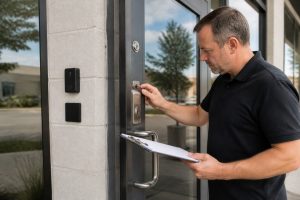
Smart security installation combines electronic locks, cameras, and sensors into a unified system controlled from your phone. The process typically starts with a security audit, assessing entry points, identifying blind spots, and determining which devices suit your property layout.
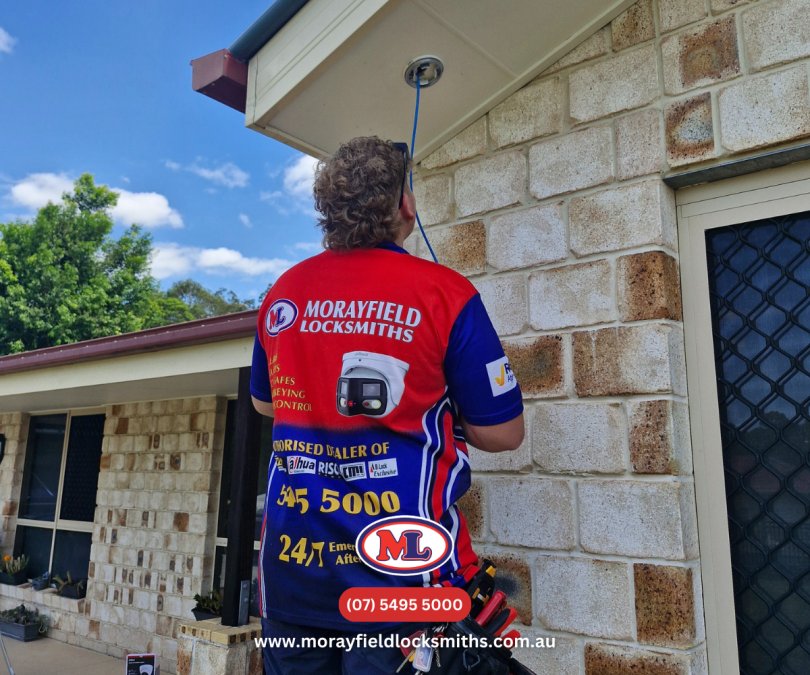
Installation itself varies by complexity. Basic setups, a smart lock, a few cameras, and a central hub, can be completed in a few hours by someone with moderate technical skill. More complex installations involving integrated alarm systems, multiple cameras with specific sight lines, and professional-grade monitoring may require specialist help. In Caboolture and surrounding areas, professional installers can handle the entire process, ensuring proper placement, network security, and integration with existing systems.
The real benefit emerges once everything is live. You receive alerts on your phone when motion is detected, you can unlock your door remotely for service providers, and you have video evidence if anything goes wrong. For rental properties across the Moreton Bay region, this means managing multiple buildings from one interface rather than juggling separate systems and keying arrangements.
When planning smart home security installation in Caboolture, prioritise entry points first, front door, back door, garage, before expanding to perimeter cameras. This approach maximises security impact while keeping initial costs manageable.
::: Securing these physical access points remains only the first step, as the digital integrity of your network depends equally on protecting smart home devices from unauthorized remote intrusion.
Upgrading Old Alarm Systems in the Moreton Bay Region
Upgrading old alarm systems doesn’t mean ripping everything out. Many modern systems integrate with older wired components, preserving your investment while adding new capabilities. The key is identifying what’s salvageable and what needs replacement.
Older alarm systems typically rely on landline connections or basic cellular backup. They lack the real-time intelligence modern systems offer. Upgrading old alarm systems in the Moreton Bay region often means replacing the central control unit while keeping existing door and window sensors, then adding smart cameras and electronic locks to the network.
The upgrade process itself is straightforward. A technician assesses your current wiring, tests existing sensors, and plans the integration. New components are installed alongside old ones, then programmed to work together. The result is a hybrid system that costs less than a full replacement but delivers modern functionality.
One common concern is whether old and new systems can communicate reliably. They can, provided the integration is planned correctly. However, mixing very old technology (20+ years) with modern systems sometimes creates complications. In those cases, selective replacement of the oldest components often makes more sense than trying to force incompatible systems together.
Upgrading old alarm systems without professional assessment risks creating security gaps. A misaligned sensor or misconfigured integration can leave entry points unmonitored, defeating the purpose of the upgrade.
CCTV Camera Installation Costs and Considerations
CCTV camera installation costs depend on several variables: number of cameras, resolution quality, storage capacity, and whether you choose cloud-based or local recording. Rather than guessing, contact Morayfield Locksmiths for a free assessment and upfront quote tailored to your property.
Resolution matters more than most people realise. Budget cameras often capture grainy footage that’s useless for identifying intruders. Modern cameras offer 4K resolution, night vision, and wide-angle lenses that capture detail even in poor lighting. The investment in better cameras pays off if you ever need footage as evidence.
Storage is the hidden cost many overlook. Cloud storage subscriptions add up over time, while local storage (hard drives or NAS systems) requires upfront investment but no ongoing fees. For properties in Caboolture with high-value assets, local storage often makes more financial sense.
Placement strategy determines effectiveness. Cameras should cover entry points, high-value areas, and blind spots. A camera pointed at a blank wall is wasted investment. Professional installers understand sight lines, lighting conditions, and optimal angles, details that make the difference between footage that helps and footage that doesn’t.
DIY vs Professional Installation: What Works Best
DIY installation appeals to 51% of shoppers because it saves money and offers control over the process. If you’re comfortable with basic wiring, following instructions, and troubleshooting network issues, DIY can work. Simple systems, a smart lock, a couple of cameras, basic sensors, are genuinely achievable for most people.
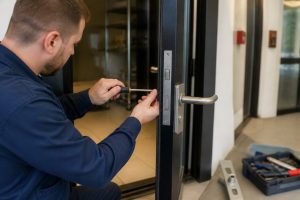
Professional installation makes sense when complexity increases. Multi-camera systems with integrated alarms, custom wiring through walls, and network security configuration require expertise. A mistake here isn’t just inconvenient; it could leave your property vulnerable or damage your home’s structure.
The middle ground, hybrid approaches, is often smartest.
DIY works best for straightforward, single-component installations. Professional installation pays for itself through reliability and proper integration when systems involve multiple connected devices or structural modifications.
Planning Your Security Modernisation Roadmap
A modernisation roadmap prevents costly mistakes and spreads investment over time. Start with a security audit, walk your property and identify every entry point, potential blind spot, and area where monitoring matters most. Document existing systems and assess what’s salvageable.
| Phase | Focus | Typical Duration | Key Components |
|---|---|---|---|
| Assessment | Security audit, identify priorities | 1 week | Entry point mapping, risk analysis |
| Foundation | Smart locks, basic cameras | 2-4 weeks | Electronic locks, outdoor cameras |
| Integration | Alarm systems, monitoring | 2-4 weeks | Central hub, sensor integration |
| Optimisation | Advanced features, automation | 2-4 weeks | Scheduling, alerts, remote access |
Frequently Asked Questions
What are the latest trends in modernising home security systems for 2026?
Modern systems now focus on advanced event classification, distinguishing between persons, vehicles, animals, and packages to reduce false alarms. Smart camera adoption has risen to 61% of households in 2026, up from 52% in 2024. DIY installation has become the preferred choice, with 51% of shoppers choosing to install systems themselves. Integration of electronic locks, smart garage door technology, and cloud-based monitoring represents the current direction of home security modernisation.
Should I install a modern security system myself or hire a professional?
51% of shoppers now prefer DIY installation for home security systems, making it a viable option for many homeowners. However, professional installation ensures proper integration of complex components like CCTV, smart locks, and alarm systems, particularly important if you’re upgrading old systems with multiple technologies. For properties with mixed legacy and new equipment, professional expertise prevents compatibility issues and ensures all systems communicate effectively. Consider your technical comfort level and system complexity before deciding.
How do I know if my current alarm system needs upgrading?
If your alarm system is more than 5-7 years old, it likely lacks modern features like advanced event classification, mobile alerts, and integration with smart home devices. Systems that generate frequent false alarms, lack cloud connectivity, or cannot distinguish between genuine threats and animals or packages are candidates for upgrading. Modern systems also offer better integration with electronic locks and CCTV cameras, creating a cohesive security network. A professional assessment can identify whether your existing system can be upgraded or requires replacement.
What factors affect CCTV camera installation costs?
Installation costs depend on the number of cameras, resolution quality, storage requirements, and integration with existing systems. Indoor versus outdoor cameras, wired versus wireless setup, and whether you need professional monitoring services all influence pricing. Advanced event classification features and cloud storage subscriptions add to overall costs. For accurate pricing tailored to your property, contact a local professional who can assess your specific security needs and provide an upfront quote.